Dumpster Trailers: The Unsung Heroes of Transportation Services
Dumpster Trailers: The Unsung Heroes of Transportation Services
Blog Article
Essential for goods transportation, trucking significantly supports commerce over long distances throughout the United States. In the state of Illinois, trucking is indispensable for the distribution of various products, guaranteeing that businesses can function efficiently. The sector encompasses a broad range of services, including freight brokerage and specific hauling methods utilizing dump trucks and flatbed trailers, highlighting the trucking industry’s versatility crafted to address numerous needs. If you're overseeing a substantial fleet or considering owner operators, familiarizing yourself with the trucking environment can lead to smarter business decisions. Aspects such as trucking services, transportation options, and choosing the right trailers have a profound effect on overall efficiency. Therefore, comprehensive knowledge of these components is crucial for anyone involved in shipping and logistics at . At its core, trucking is the transportation of goods using trucks. This sector encompasses various types of vehicles, including dump trucks, conestoga trailers, and tanker trucks, each designed for specific hauling purposes. The ability to transport commodities like agricultural products, construction materials, and consumer goods efficiently copyrights on choosing the right truck for the job. The trucking industry is heavily regulated, ensuring that all operators meet safety standards and freight requirements. In Illinois, the availability of diverse trucking options, including flatbed trailers and dumpster trailers, enables businesses to handle both bulk and specialized loads. Additionally, freight brokerage services act as intermediaries, connecting shippers with reliable carriers, which enhances the overall efficiency of logistics operations. For a more comprehensive understanding of various trucking services, provides in-depth discussions on the topic. When selecting a trucking service, local expertise can be an invaluable asset. Many trucking companies in Illinois have in-depth knowledge of regional routes, traffic patterns, and local regulations, which can streamline the logistics process. Local trucking services often have established relationships with shippers and manufacturers, enabling them to offer tailored solutions that larger, national companies may not provide. Moreover, local operators can often respond more quickly to changes in shipping demands or unexpected challenges. For example, in the case of sudden environmental changes such as severe weather, a local trucking service can adapt to shifting conditions and adjust routes effectively, minimizing delays. This agility can be a significant competitive advantage, particularly in an environment where time is of the essence. A wide array of trucking services addresses the distinct demands of companies in different fields. Below are some notable types: When selecting a trucking provider, simply comparing prices won’t suffice; it’s essential to assess various critical factors that influence your logistics operations. To begin with, the provider’s experience in the industry and their reputation should be given top priority. A well-established company with a proven track record is more likely to deliver the reliability and professionalism necessary to fulfill your shipping expectations. In addition, it’s vital to confirm that the trucking service has the appropriate types of trailers to meet your specific needs, whether you’re in need of hauling, dumping, or transporting liquids. Additionally, looking into supplementary services like fleet maintenance or logistics support can further reassure you that the provider is equipped to manage your requirements efficiently. Lastly, it’s crucial that the provider has adequate insurance and adheres to federal and state regulations without exceptions. Verify that they are properly licensed and insured, as this safeguards both your cargo and your interests. Striking the right balance between cost and quality service is essential for a successful partnership. By implementing strategic practices, businesses can enhance their trucking logistics and ensure reliable deliveries.Steps for Successful Trucking Logistics
Understanding the Basics of Trucking
The Importance of Going Local in Trucking
Various Trucking Service Options
Key Factors to Consider When Choosing a Trucking Provider
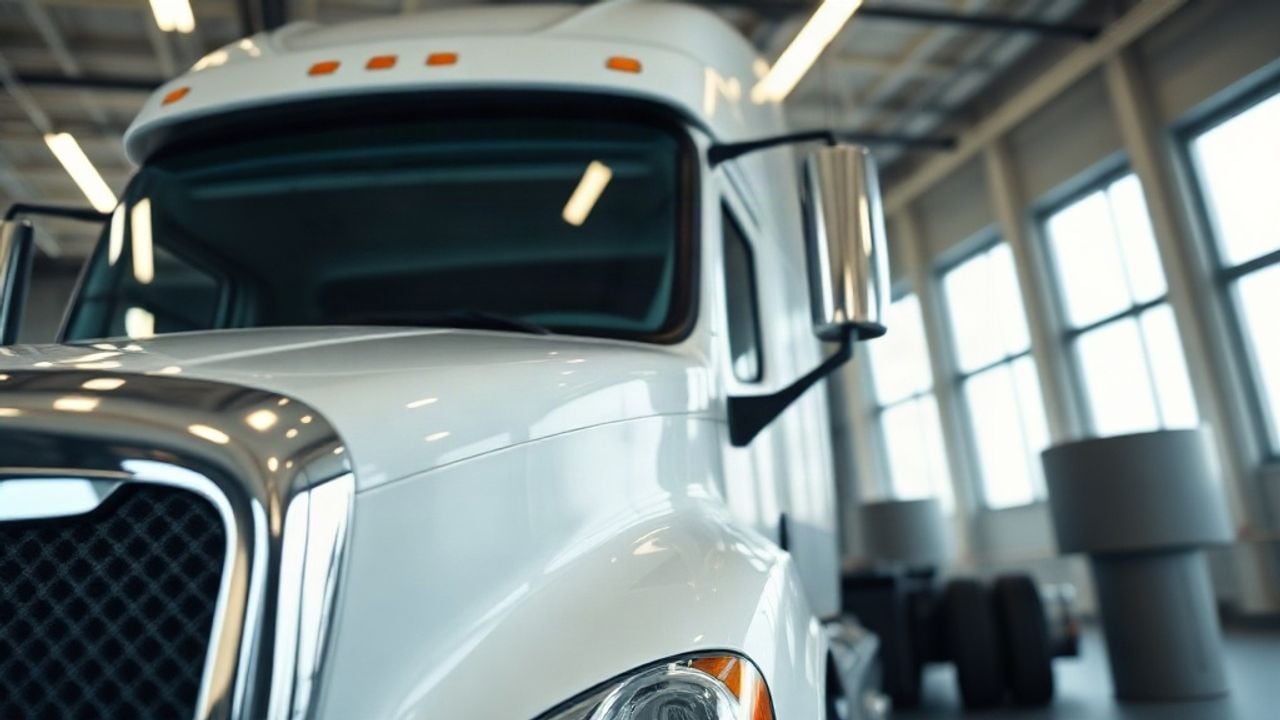 Illinois top Commodities TransportationIllinois top Commodities Transportation
Essential Tips for Trucking Efficiency
Trucking
Frequently asked questions
What is Trucking?
Trucking refers to the transportation of goods by road using trucks. It involves various types of vehicles and services catering to the needs of different industrial sectors.
How do I choose a Trucking provider?
Choosing a trucking provider requires evaluating their experience, type of services offered, reputation, insurance compliance, and costs to find the best fit for your shipping needs.
How much does Trucking cost?
The cost of trucking varies depending on distance, type of goods, and the chosen provider. Factors such as fuel prices and vehicle maintenance may also influence overall costs.
In summary, mastering the trucking industry is essential for any business involved in logistics and shipping. By understanding different services, evaluating providers, and implementing effective strategies, companies can optimize their operations. The ability to adapt and respond to the ever-changing demands of the market will enhance efficiency and customer satisfaction.
The opportunity for growth and improved logistics efficiency awaits those who engage with the complexities of trucking services. Making informed choices based on solid research can pave the way for success in the transportation sector.